Das Filter Blog
What Are Rolling Papers Made Of? Fibers, Gum and Bleaching
Quick answer: Rolling papers are very thin sheets of plant fiber, most often wood pulp, rice straw, hemp or flax, with a strip of gum along one edge for sealing. Most brands say that gum is gum arabic, a natural gum from acacia trees. Some papers also contain a mineral filler such as calcium carbonate, some have a watermark pressed in, and flavored papers carry a flavor coating. Bleached papers were whitened during manufacturing; unbleached papers weren't, which is why they're brown.
This page is about what's in the paper. For picking one, see best rolling papers; for sizes, see the rolling paper sizes chart.
The parts of a rolling paper
A rolling paper has only a few parts:
- The sheet: plant fiber pressed into a very thin, even paper.
- The gum strip: a thin line of plant gum along one long edge. You moisten it to seal the roll.
- Optional extras: a mineral filler, a watermark pattern, or a flavor coating.
What fibers are rolling papers made from?
| Fiber | Where it comes from | How it's usually described |
|---|---|---|
| Wood pulp | Trees, the same base as most paper | Thicker and more opaque, easy to handle |
| Rice | Processed rice straw | Very thin, hard to handle for beginners |
| Hemp | Fiber from the stalk of the hemp plant | Thin with some grip, often tan when unbleached |
| Flax | The plant linen is made from | Thin and strong, often associated with older European brands |
Some papers blend fibers, and a few "clear" papers are made from plant cellulose film rather than fiber (more in clear rolling papers). The material sets most of a paper's feel. How each one rolls and burns, and which to start with, is covered in best rolling papers.
Is rice paper made from rice? Usually from processed rice straw, the stalks left after harvest, not the grain.
Are hemp papers made from cannabis? Hemp is the same plant species, but hemp papers use stalk fiber, not flower.
What is the glue on rolling papers?
Most brands describe their gum strip as gum arabic (also called acacia gum), a natural gum from the sap of acacia trees. It stays dry and inactive in the booklet and gets sticky when moistened. Some makers use other adhesives, so if it matters to you, check the pack or the brand's site.
What else can be in a rolling paper?
- Mineral filler. Cigarette and rolling papers can contain calcium carbonate (chalk) or similar minerals. Paper makers use it to adjust opacity, whiteness and how the paper burns. Not every rolling paper uses it, and amounts vary by brand.
- Watermarks. Some papers have a pattern pressed into the sheet, and some brands say it helps even out the burn.
- Flavor coatings. Flavored papers have a coating on the sheet. The flavor is listed on the pack.
- Color and print. Colored and printed papers get their look from dyes or inks.
Bleached vs unbleached rolling papers
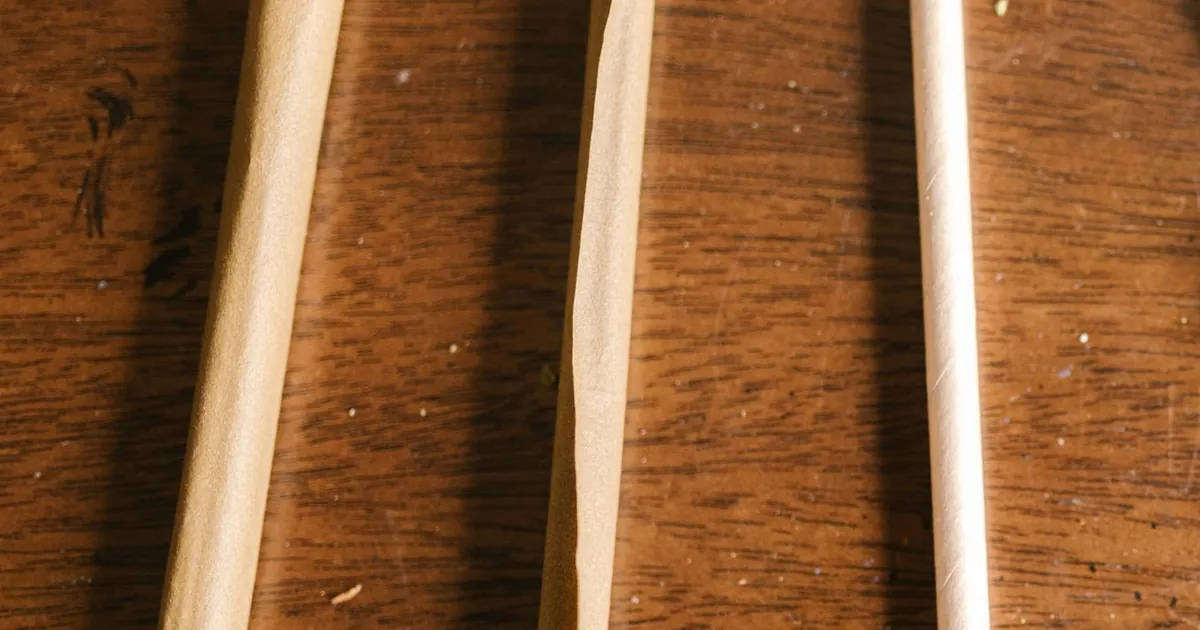
Bleached papers went through a whitening step during manufacturing, so they're white. Unbleached papers skipped it and keep the natural tan or brown of the fiber.
| Bleached | Unbleached | |
|---|---|---|
| Color | White | Tan to brown |
| Whitening step | Yes | No |
| Fibers | Any: wood, rice, hemp, flax | Any: wood, rice, hemp, flax |
| What sets the burn | Fiber and paper weight | Fiber and paper weight |
How are white papers whitened? Paper in general is whitened in different ways. The pulp industry has largely moved from elemental chlorine to ECF (elemental chlorine free, using chlorine dioxide) and TCF (totally chlorine free, using oxygen, ozone or hydrogen peroxide). Rolling paper brands don't always print which method they used, so a pack that says "chlorine free" is telling you something that a plain white pack isn't.
Does color change the burn or taste? Paper makers say burn speed comes from the fiber and the weight of the sheet, not from bleaching. Taste is personal; some people say they prefer unbleached, others can't tell.
Is brown always unbleached? No. Paper can be tinted, so a brown sheet isn't proof. Look for the word "unbleached" on the pack. "Unbleached" and "chlorine free" are also two different claims.
Does any of this make a paper safer?
Don't choose a paper for health reasons. None of these materials makes smoking safe. Pick on how a paper rolls, its size and how you like it to taste.
How to read a rolling paper pack
- Material: hemp, rice, wood pulp, flax, or a blend.
- Unbleached or chlorine free, if the brand says so. Remember they mean different things.
- Gum: often listed as gum arabic or "natural gum".
- Size: single wide, 1 1/4, king size slim or king size. See the sizes chart.
- Flavor, if any.
Pick a tip for your paper
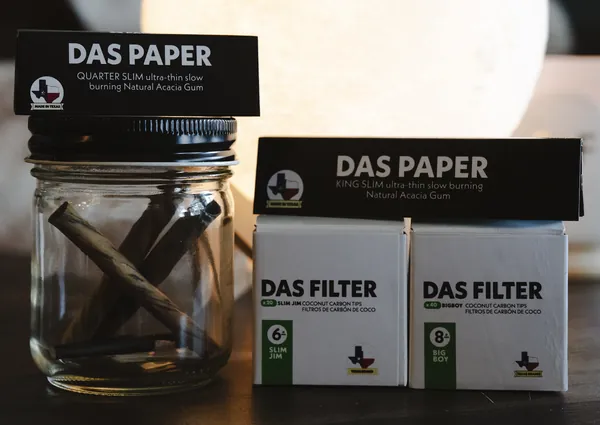
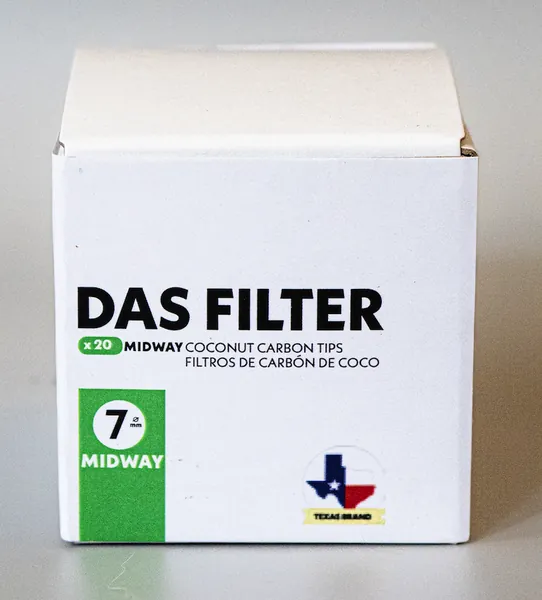
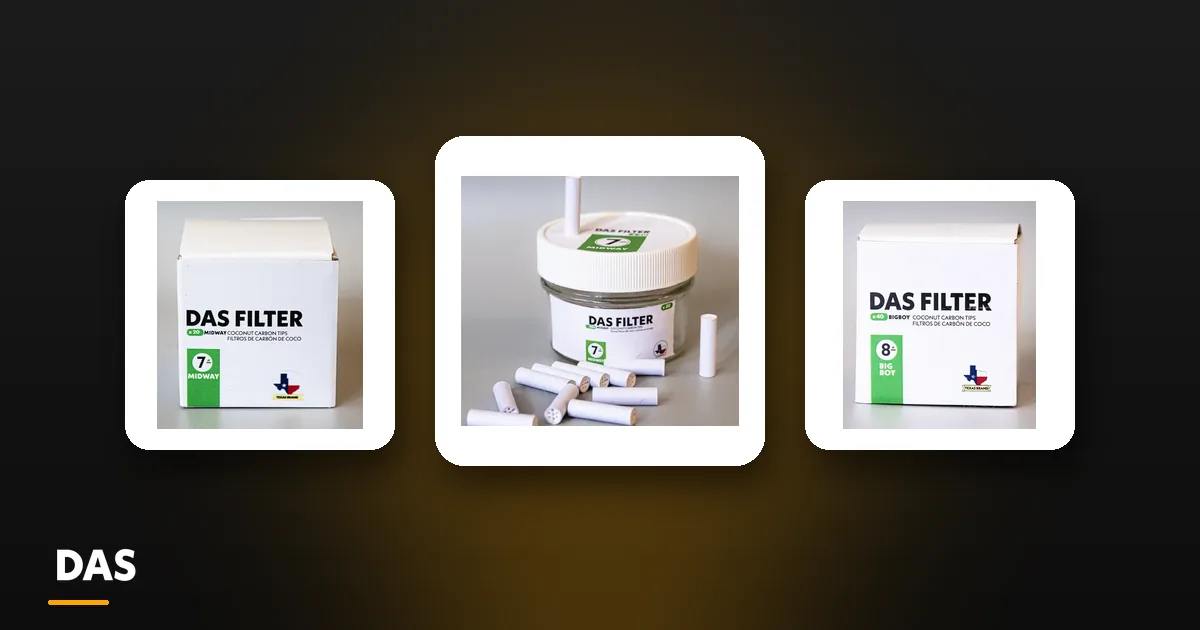
Das makes filter tips, not papers. Whatever paper you choose, the size sets the tip: the Slim Jim (6mm x 28mm) for single wide, the Midway (7mm x 28mm) for 1 1/4, and the Big Boy (8mm x 37mm) or 12mm for king size. The DAS SAMPLER bundles three 20-count tip packs, three Nanner Barrels and two rolling booklets. New to rolling? Start with how to roll a joint.
Frequently asked questions
What are rolling papers made of?
Thin sheets of plant fiber, usually wood pulp, rice straw, hemp or flax, with a strip of gum along one edge. Some papers also contain a mineral filler such as calcium carbonate, and flavored papers have a flavor coating.
What is the glue on rolling papers made of?
Most brands describe their gum as natural gum arabic, a plant gum from acacia trees. Some use other adhesives. The pack or the brand's site usually says which.
What's the difference between bleached and unbleached rolling papers?
Bleached papers went through a whitening step and are white. Unbleached papers skipped it and keep the tan or brown color of the fiber. Paper makers say color alone doesn't set how fast a paper burns; fiber and thickness do.
Are brown rolling papers always unbleached?
Not necessarily. Paper can be tinted, so color isn't proof. Look for the word unbleached on the pack.
Are hemp rolling papers made from cannabis?
They're made from hemp fiber, which comes from the cannabis plant species. Hemp papers are paper made from the stalk fiber, not from flower.
Products are for adults 21+.